Sustainable Smart Home Architecture Ideas For A Zero-Waste Future | The Intelligent Nexus
Creating Homes That Think Green And Live Smart
Buildings account for nearly 40% of global carbon emissions, yet most new construction still follows decades-old standards that treat sustainability as an expensive add-on rather than a core principle.
The game has changed. Sustainable smart home architecture is no longer about choosing between environmental responsibility and modern convenience. Today's most innovative homes seamlessly integrate passive design principles with intelligent automation, creating spaces that dramatically reduce energy consumption while enhancing comfort and functionality.
Energy management in smart home automation not only optimizes energy efficiency and costs but also contributes to environmental sustainability. What fascinates me most about this evolution: the built environment contributes to 30% of global greenhouse gas emissions and accounts for one-third of the global consumption of raw materials, energy, and water.
Key Takeaways: Building Smarter, Not Just Greener
- Passive First, Smart Second: The building envelope (insulation, windows, orientation) must achieve maximum efficiency before installing high-tech systems.
- Intelligence Over Automation: Prioritize systems that learn and predictenergy needs over simple on/off schedulers.
- The Open-Source Advantage: Choose non-proprietary tech platforms (like Home Assistant) to ensure system longevity and prevent vendor lock-in.
Passive House And Net-Zero Design Principles
Understanding The Passive House Standard
Passive House is a model of home construction focused on dramatically reducing a building's energy demand through a superior building envelope. A passive house consumes up to 90% less energy for heating and cooling compared to a traditional building, achieving this through five core principles that work together as an integrated system.
Airtight construction prevents drafts and uncontrolled heat loss. Every seam, penetration, and joint receives meticulous attention during building to eliminate air leakage.
Super-insulation wraps the entire building envelope continuously, eliminating thermal bridges where heat traditionally escapes through framing. High-performance windows, typically triple-glazed with specialized coatings, allow solar heat gain when desired while preventing heat loss.
Mechanical ventilation with heat recovery captures warmth from exhaust air and transfers it to incoming fresh air, maintaining indoor air quality without energy penalties. Strategic building orientation maximizes passive solar gain during heating seasons while minimizing overheating during cooling periods.
Net-Zero Homes: Energy Production Meets Efficiency
Net Zero Home is an energy performance target, where the home produces as much renewable energy as it consumes annually. These homes achieve energy neutrality by combining aggressive efficiency measures with on-site renewable energy generation, typically solar photovoltaic systems.
The path to net-zero starts with dramatically reducing energy demand through passive design and efficient systems. Only after minimizing consumption do you size renewable energy systems. The smaller your energy needs, the smaller and less expensive the solar array required to reach net-zero operation.
The cost to build passive is only incrementally more than any other model, with a very small increased cost coming from the secondary layer of the wall system. When you factor in decades of eliminated energy bills, the economic case becomes compelling even before considering environmental benefits.
Hybrid Approaches: Best Of Both Worlds
A home built to passive house standards can easily achieve net zero energy with the addition of renewable energy systems. This hybrid approach delivers maximum environmental benefit, ultra-low energy consumption, plus renewable generation, while providing grid connection as backup during heavy usage periods or extended cloudy weather.
Many architects now design homes that meet Passive House standards for the building envelope while integrating smart home technology to optimize the minimal systems required. This combination creates homes that barely need heating or cooling, with intelligent controls ensuring whatever energy is used gets applied most effectively.
Smart Home Technology For Energy Efficiency
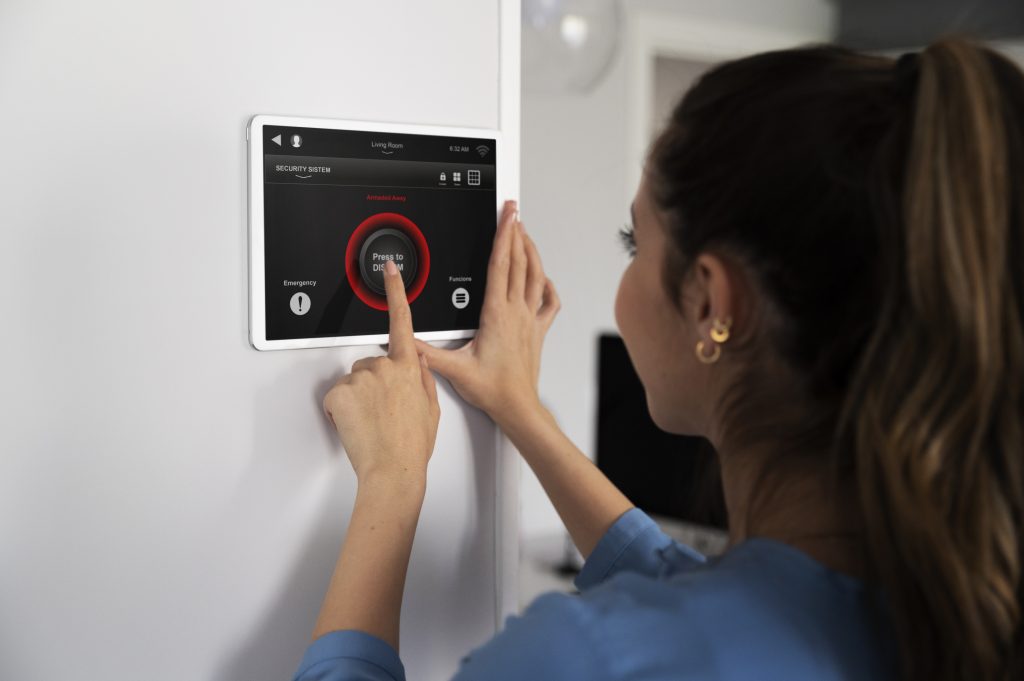
AI-Driven Climate Control Systems
AI-powered thermostats adjust room temperatures based on your daily routine, creating a personalized ambience depending on the time of day. These systems learn occupancy patterns, weather forecasts, and individual preferences to optimize heating and cooling automatically.
Modern climate control goes beyond simple programmable thermostats. Advanced systems integrate weather data, solar gain calculations, time-of-use electricity pricing, and occupancy sensors to make split-second decisions about when to pre-heat, pre-cool, or simply let the building's thermal mass carry the load.
Zoned climate control paired with occupancy detection means energy isn't wasted conditioning empty spaces. Smart vents automatically adjust airflow room-by-room based on actual usage and need, dramatically reducing the energy required compared to heating or cooling the entire house uniformly.
Intelligent Lighting Systems
Smart lighting systems use motion sensors and timers to ensure that lights are only on when they are needed, reducing energy consumption and saving money on electricity bills. Beyond simple on-off control, advanced systems adjust brightness based on natural light availability, gradually transitioning as daylight changes throughout the day.
Circadian lighting systemssync with natural day-night cycles, supporting occupant health while minimizing energy use. Warm tones in evening hours promote better sleep, while cooler tones during daytime enhance alertness and productivity. These biological benefits come alongside reduced energy consumption from optimized lighting schedules.
Integration with other smart home systems allows lighting to respond to security needs, entertainment scenarios, or seasonal changes automatically. Dawn simulation gradually increases bedroom lighting before alarms sound, while sunset simulation eases the transition to evening without harsh switches between bright and dark.
Smart Energy Management And Monitoring
Smart grid-based scheduling methods for power usage within the home environment allow users to manage electricity usage by remotely turning off appliances when not in use. Real-time energy monitoring reveals which appliances consume the most electricity, enabling informed decisions about usage patterns and replacement priorities.
Advanced energy management systems coordinate appliance operation with renewable energy generation and time-of-use utility rates. Dishwashers, washing machines, and EV chargers automatically run during solar peak production or off-peak pricing periods, maximizing economic and environmental benefits without requiring manual intervention.
Battery storage integration allows homes to bank excess solar generation for use during evening peak demand periods. Smart inverters optimize when to store energy, when to use it, and when to export it to the grid based on real-time conditions and predictive algorithms.
Biophilic Design Integration
Living Walls And Green Roofs
Green roofs help regulate indoor temperatures by reducing heat absorption, control stormwater runoff, and increase the lifespan of roofing membranes by protecting them from UV rays. Living walls improve air quality by filtering pollutants and producing oxygen through photosynthesis while providing natural insulation and reducing heat gain.
These living architectural elements transform buildings from passive environmental consumers into active environmental contributors. Green roofs dramatically reduce urban heat island effects, absorb rainwater, reduce stormwater runoff, and provide habitat for pollinators and birds in dense urban areas.
Smart green technology with automated irrigation and nutrient systems ensures plants stay healthy while conserving water. Sensors monitor soil moisture, light levels, and plant health, adjusting water delivery precisely to need rather than wasteful fixed schedules.
Maximizing Natural Light
Strategic window placement floods interiors with daylight, reducing artificial lighting needs while providing health benefits from natural illumination. Studies have shown that exposure to natural light improves mood, boosts productivity, and helps regulate sleep cycles.
Clerestory windows and skylights bring natural light deep into building interiors without compromising privacy or wall space. Light shelves bounce daylight onto ceilings, distributing it more evenly throughout rooms. Smart glass technology automatically tints based on sun intensity, preventing glare and unwanted heat gain while maintaining views and daylight access.
The interplay between natural and artificial light creates dynamic environments that change with time and season. Smart lighting systems dim or turn off as natural light increases, ensuring spaces remain well-lit while energy consumption drops automatically as daylight availability improves.
Indoor-Outdoor Connection
The desire to connect with nature and unplug from technology is driving a trend towards seamless indoor-outdoor living spaces. Large sliding glass doors, expansive patios, and garden courtyards blur boundaries between interior and exterior, extending usable living space while fostering a psychological connection to nature.
Covered outdoor rooms equipped with weather protection, heating, and automated screens create comfortable year-round spaces that reduce demand on primary living areas. These transition zones moderate temperature and humidity while providing versatile entertaining and relaxation spaces.
Strategic landscaping extends biophilic design beyond the building envelope. Native plants require minimal irrigation and maintenance while supporting local ecosystems. Deciduous trees provide summer shade that reduces cooling loads, then drop leaves in winter, allowing solar heat gain when needed most.
Sustainable Building Materials And Construction

10 Eco-Friendly Building Materials | Sustainable Design
Recycled And Reclaimed Materials
Homeowners are prioritizing materials like reclaimed wood, bamboo, recycled metal, and low-VOC paints to minimize environmental impact. Reclaimed wood adds character and warmth while preventing usable material from entering landfills. Each board carries history and patina impossible to replicate with new lumber.
Recycled steel and aluminum require a fraction of the energy needed for virgin material production. Recycled metal roofing lasts decades with minimal maintenance while reflecting solar heat to reduce cooling loads. Concrete containing fly ash or slag reduces cement content, cutting embodied carbon significantly compared to traditional mixes.
Recycled glass transforms into beautiful countertops, tiles, and insulation products. Recycled denim insulation performs comparably to fiberglass while avoiding chemical treatments and utilizing material otherwise destined for landfills. These innovative materials prove sustainability doesn't require aesthetic compromises.
Bio-Based And Natural Materials
Materials like cross-laminated timber (CLT) significantly reduce carbon emissions during construction. Mass timber construction sequesters carbon while providing structural performance rivaling steel and concrete. CLT panels enable rapid construction with precision factory fabrication, reducing site waste and construction time.
Bamboo grows to harvest maturity in 3-5 years compared to decades for hardwoods, making it highly renewable. Its strength-to-weight ratio exceeds many traditional building materials, suitable for flooring, cabinetry, and even structural applications. Cork harvesting doesn't require cutting trees bark, regenerates, allowing repeated harvests from the same trees.
Natural fiber insulation from sheep's wool, hemp, or cellulose provides excellent thermal and acoustic performance while being fully biodegradable at the end of life. These materials regulate humidity naturally, contributing to healthier indoor air quality compared to synthetic alternatives.
Low-VOC And Non-Toxic Finishes
Indoor air quality dramatically impacts occupant health, making material selection crucial beyond environmental footprint considerations. Low-VOC paints, stains, and sealers eliminate off-gassing of harmful chemicals that traditional finishes release for months or years after application.
Natural plasters and clay finishes regulate humidity while providing beautiful, durable surfaces. These materials actively improve indoor air quality rather than simply avoiding harm. Mineral-based paints offer excellent coverage and durability without synthetic chemicals.
Natural fiber carpets from wool, sisal, or jute avoid the petroleum-based backing and stain treatments of conventional carpeting. These materials wear well, age gracefully, and biodegrade at the end of life rather than persisting in landfills for centuries.
Renewable Energy Integration
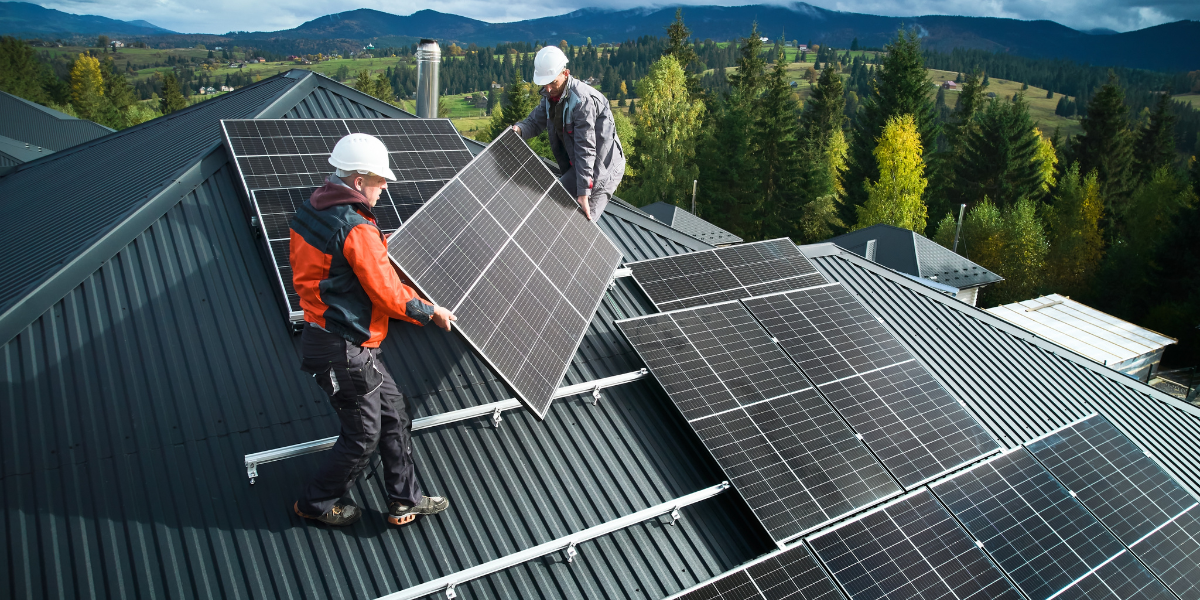
Solar Photovoltaic Systems
Solar panels represent the most accessible renewable energy option for residential applications. Triple-pane windows can cut heat loss by 50%, while solar panels can power an entire home. Modern panels achieve higher efficiency than ever, generating substantial power even in partial shade or cloudy conditions.
Building-integrated photovoltaics (BIPV) serve a dual purpose as both building envelope and energy generator. Solar shingles provide weather protection while generating electricity, eliminating the visual impact some associate with rack-mounted panels. BIPV technology continues to improve efficiency and decrease costs, making it increasingly attractive for new construction.
Smart inverters optimize solar system performance by adjusting to real-time grid conditions, battery storage levels, and home consumption patterns. These systems maximize self-consumption of generated power rather than exporting it at less favorable rates, improving economic returns while reducing strain on electrical grids.
Battery Storage And Grid Independence
Energy storage systems capture excess solar generation for use during evening peak demand or grid outages. Modern lithium-ion batteries provide reliable performance with minimal maintenance, enabling significant grid independence even in regions with net metering policies.
Smart battery management systems decide moment-by-moment whether to charge batteries, discharge them to power the home, or interact with the grid based on complex algorithms weighing time-of-use rates, weather forecasts, and anticipated consumption. This optimization happens automatically, requiring no homeowner intervention.
Vehicle-to-home technology transforms electric vehicles into mobile battery banks. When parked, EVs can supply power to homes during outages or peak pricing periods, then recharge during off-peak hours or high solar production times. This bidirectional energy flow maximizes the utility of expensive battery capacity.
Geothermal And Heat Pump Technology
Ground-source heat pumps leverage stable underground temperatures to provide extremely efficient heating and cooling. While installation costs exceed conventional HVAC systems, operational costs drop dramatically; geothermal systems can reduce heating and cooling energy consumption by 50-70% compared to traditional equipment.
Air-source heat pumps have improved dramatically, now operating efficiently even in cold climates previously considered unsuitable. Modern cold-climate heat pumps provide reliable heating down to-15°F while delivering 200-300% efficiency, extracting more heat energy than electrical energy consumed.
Smart heat pump controls integrate with home automation systems, weather forecasts, and occupancy patterns to optimize operation. Predictive algorithms precondition spaces before occupancy rather than reacting to temperature changes, improving comfort while reducing peak energy demands.
Water Conservation And Management
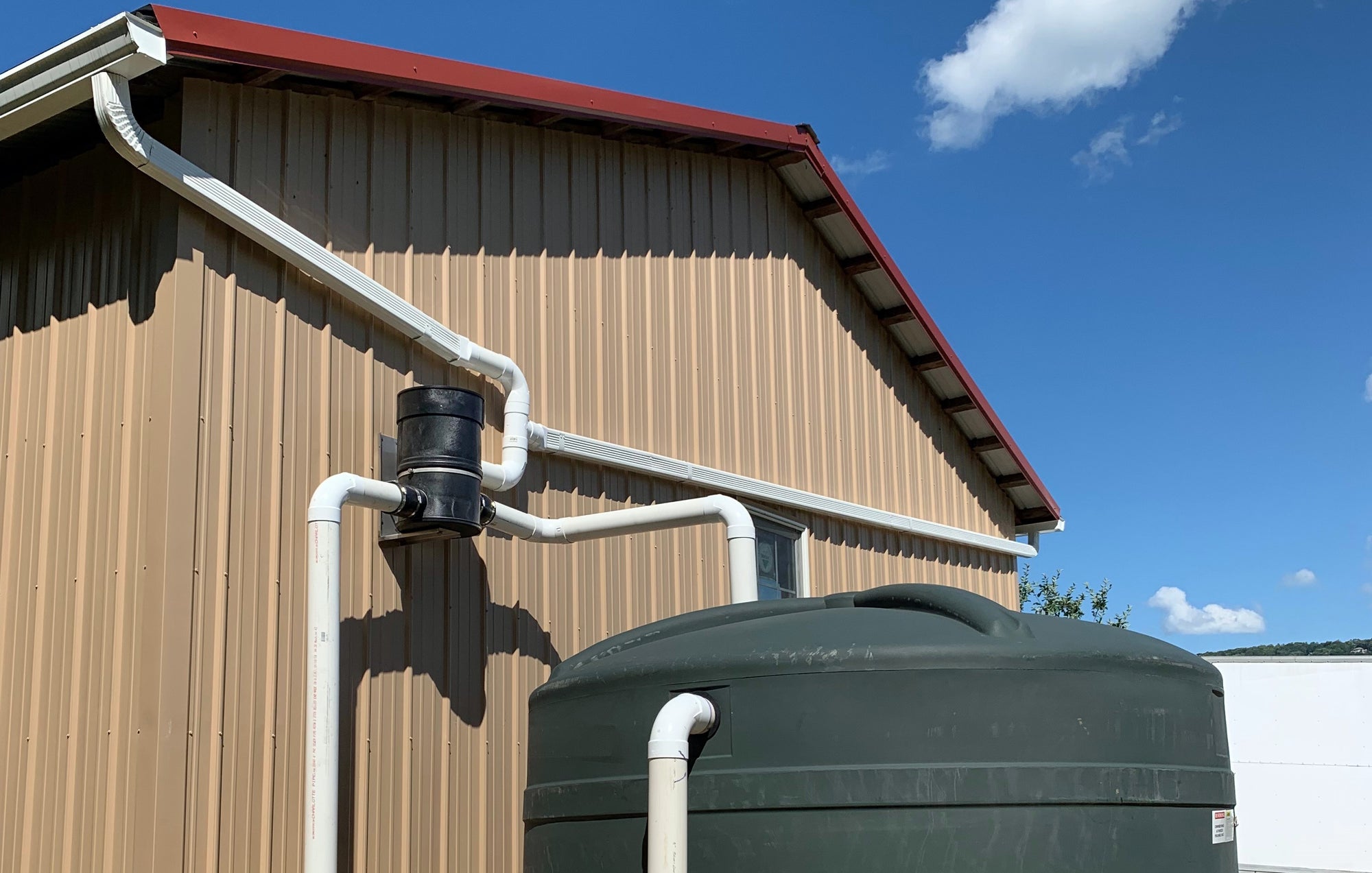
Rainwater Harvesting Systems
According to the USGBC, the three key components of water efficiency are reducing indoor potable water, reducing water consumption to save energy, and improving environmental well-being. Rainwater harvesting captures precipitation from roofs, storing it for landscape irrigation, toilet flushing, or even potable use after proper treatment.
Properly designed systems include pre-filtration to remove debris, storage tanks sized for local rainfall patterns, and distribution pumps that integrate with home automation for optimized usage. Smart controllers monitor tank levels and weather forecasts, adjusting irrigation schedules to utilize harvested water efficiently while ensuring adequate reserves.
Dual plumbing systems separate potable and non-potable water uses, dramatically reducing demand on municipal water supplies or private wells. Rainwater provides excellent irrigation water free of chlorine and other treatment chemicals that can harm sensitive plants.
Greywater Recycling
Greywater systems capture relatively clean wastewater from showers, bathroom sinks, and washing machines for landscape irrigation. This water contains soap and minor contaminants but lacks the pathogens present in blackwater from toilets, making it safe for subsurface irrigation with proper system design.
Simple greywater systems divert laundry water directly to mulch basins around trees and shrubs with minimal treatment. Complex systems include filtration, storage, and automated distribution managed by smart controllers that prevent over-watering while maximizing reuse of this valuable resource.
Constructed wetlands provide beautiful, natural greywater treatment while creating a wildlife habitat. These systems use plants and beneficial microorganisms to filter and clean water through biological processes, producing irrigation water comparable to rainwater quality.
Smart Irrigation And Leak Detection
Smart irrigation systems can be programmed to water plants only when necessary, reducing water waste. Weather-based controllers adjust schedules based on recent rainfall, forecast precipitation, temperature, and evapotranspiration rates, applying water only when plants actually need it.
Soil moisture sensors provide real-time data about actual plant water needs rather than relying on timed schedules. Drip irrigation delivers water directly to root zones with minimal evaporation, using 30-50% less water than conventional sprinklers while improving plant health through consistent moisture.
Smart leak detection systems monitor water flow patterns, immediately alerting homeowners to unusual consumption that indicates leaks. Early detection prevents thousands of gallons of waste and water damage that often goes unnoticed until catastrophic failure occurs. Some systems automatically shut off the water supply when major leaks are detected, preventing flooding damage.
Advanced Building Envelope Technologies
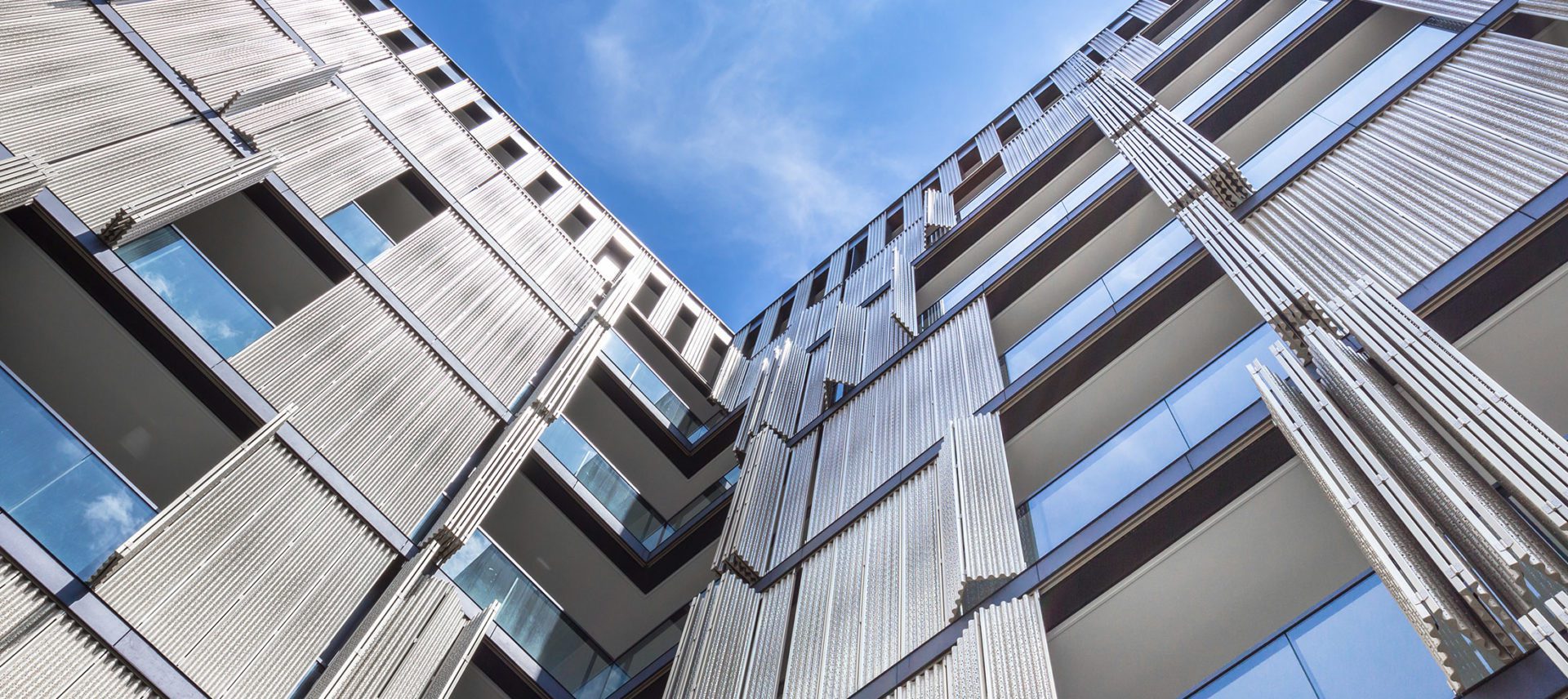
High-Performance Insulation
Continuous insulation eliminates thermal bridging by wrapping the entire building exterior before framing, preventing heat loss through studs that conduct more readily than insulation between them. Rigid foam boards, mineral wool, or spray foam create unbroken thermal barriers that dramatically outperform traditional fiberglass batt insulation.
Continuous insulation wraps around your entire house like a thermal blanket, eliminating those sneaky spots where heat can escape through framing. This approach can improve whole-wall R-values by 20-30% compared to cavity-only insulation, translating directly to reduced heating and cooling costs.
Natural insulation materials like dense-packed cellulose or sheep's wool provide excellent thermal performance while regulating moisture naturally. These breathable insulations prevent the moisture accumulation problems that can plague synthetic alternatives, contributing to healthier buildings with improved durability.
Smart Windows And Dynamic Glazing
Triple-pane windows with low-E coatings and argon or krypton fill provide insulation values approaching walls, eliminating the weak thermal link windows traditionally represent. Strategic placement maximizes passive solar gain on south facades while minimizing heat loss on north walls.
Electrochromic "smart glass" automatically tints based on sun intensity, reducing cooling loads and glare without sacrificing views or daylight. These windows respond faster than mechanical shades while requiring no maintenance beyond occasional cleaning. Integration with home automation systems enables manual override when desired.
Vacuum-insulated glazing pushes performance even further, achieving R-values exceeding R-10 in slim profiles comparable to conventional windows. This emerging technology promises to make windows thermal assets rather than liabilities, fundamentally changing how architects approach daylighting and views.
Air Sealing And Ventilation
Achieving airtightness requires meticulous attention during construction, continuous air barriers, sealed penetrations, and careful detailing at transitions between building components. Blower door testing quantifies air leakage, with passive house standards requiring less than 0.6 air changes per hour at 50 pascals pressure.
Airtight construction demands mechanical ventilation to maintain indoor air quality. Energy recovery ventilators (ERVs) or heat recovery ventilators (HRVs)continuously exchange stale indoor air with fresh outdoor air while recovering 70-95% of heat energy, preventing the massive energy losses associated with opening windows for ventilation.
Smart ventilation systems adjust airflow based on indoor air quality sensors monitoring CO2, humidity, and volatile organic compounds. Increased ventilation occurs only when needed, balancing energy efficiency with health and comfort requirements.
Smart Home Security And Safety Integration
Why AI-Powered Smart Home Security Is Changing Everything!
Integrated Security Systems
Modern security systems combine cameras, motion sensors, door/window contacts, and smart locks into unified platforms accessible remotely. AI-powered cameras distinguish between people, animals, and vehicles, reducing false alarms while providing detailed activity logging.
Facial recognition enables automatic door unlocking for recognized family members while alerting to unknown individuals. Geofencing triggers automatic arming when all residents leave, disarming upon the first person's return without manual intervention or codes to remember.
Integration with smart lighting creates presence simulation during vacations, automatically varying light patterns to suggest occupancy. Security cameras with two-way audio allow remote communication with delivery personnel or visitors, improving convenience while enhancing security.
Environmental Monitoring
Smart sensors detect water leaks, carbon monoxide, smoke, and indoor air quality issues, providing early warning before minor problems become emergencies. Automated shutoff valves prevent water damage by immediately stopping flow when leaks are detected in vulnerable areas like washing machines or water heaters.
Air quality monitors track particulates, VOCs, radon, and other pollutants, automatically triggering increased ventilation or air purification when thresholds are exceeded. This proactive approach maintains healthy indoor environments rather than simply reacting to obvious problems.
Integration with HVAC systems enables automatic response to environmental conditions. Smoke detected triggers ventilation shutdown, preventing smoke spread, while excessive humidity triggers dehumidification before moisture damage or mold growth begins.
Emergency Backup Systems
Whole-home battery backup systems maintain power during grid outages, keeping critical systems operational. Smart energy management automatically prioritizes essential loads like refrigeration, medical equipment, and communication while shedding non-critical consumption to extend backup duration.
Generator integration provides extended outage protection, with automatic transfer switches seamlessly transitioning between grid, battery, and generator power. Modern generators can run on natural gas, propane, or even diesel, with smart controllers optimizing fuel consumption based on outage duration predictions.
Redundant internet connectivity through cellular backup ensures smart home systems remain functional and accessible even when primary connections fail. This redundancy proves critical during emergencies when remote monitoring and control provide the greatest value.
Sustainable Smart Kitchen And Appliances
Eco Smart Kitchens 2026 The Heart of Sustainable 1
Energy-Efficient Appliances
Smart refrigerators keep track of groceries, expiration dates, and meal planning, while also operating during off-peak hours when electricity costs less. Induction cooktops provide precise temperature control with 90% efficiency compared to 40% for gas ranges, dramatically reducing wasted energy.
ENERGY STAR certified appliances use 10-50% less energy than standard models, with smart features optimizing operation based on load sizes, time-of-use rates, and renewable energy availability. Dishwashers adjust water temperature and cycle length based on soil sensors, using only resources actually needed for effective cleaning.
Heat pump water heaters extract warmth from the surrounding air, providing hot water with 50-70% less energy than conventional electric resistance heaters. Smart controls learn usage patterns, ensuring hot water availability when needed while avoiding constant reheating of storage tanks.
Smart Kitchen Management
Connected appliances coordinate operation with renewable energy generation and grid demand. Coffee makers, slow cookers, and bread machines automatically start during solar peak production, leveraging free energy rather than purchasing from utilities.
Smart ventilation hoods adjust fan speed based on actual cooking activity rather than running constantly at high speed. Sensors detect smoke, steam, and odors, providing adequate ventilation while minimizing energy waste from over-ventilation that also heats or cools outdoor air.
Inventory management systems track food storage and expiration dates, reducing waste through timely consumption reminders. Recipe integration suggests meals based on available ingredients approaching expiration, helping households minimize food waste while simplifying meal planning.
Water-Saving Features
Smart faucets with touchless operation reduce water waste while improving hygiene. Flow rate adjustments optimize water delivery for different tasks, full flow for filling pots, reduced flow for rinsing vegetables, automatically or through simple touch controls.
Dishwashers with soil sensors adjust cycle length and water usage based on actual dish cleanliness rather than running full cycles regardless of need. This optimization can reduce water consumption by 30-40% compared to standard cycles while maintaining cleaning effectiveness.
Hot water recirculation systems with demand activation immediately deliver hot water without running taps until water heats, saving both water and the energy required to heat wasted water. Smart controls activate recirculation only when needed, rather than continuous operation that wastes energy.
Adaptive Reuse And Sustainable Renovation

Smart Home Automation: The Ultimate Beginner's Guide
Deep Energy Retrofits
Changing an existing home into a net-zero powerhouse is entirely possible through deep energy retrofits that prioritize envelope improvements. Upgrading insulation in walls, attics, and foundations, combined with air sealing, dramatically reduces energy demand before addressing mechanical systems.
Window replacement with high-performance units cuts heat loss by 50% or more while improving comfort by eliminating drafts and cold surface temperatures. Strategic upgrades tackle worst-performing building components first, maximizing improvement per dollar invested.
Adaptive reuse transforms outdated spaces into modern, functional areas without the environmental toll of demolition. Preserving existing structure avoids embodied carbon of new construction while maintaining neighborhood character and historical significance.
Smart Home Integration In Existing Buildings
Retrofit-friendly smart home systems install without extensive rewiring, using wireless protocols like Z-Wave, Zigbee, or WiFi. Smart plugs transform conventional appliances into connected devices, enabling remote control and usage monitoring without replacement.
Retrofitted smart thermostats work with existing HVAC systems, providing intelligent control and energy savings without system replacement. Similarly, smart lighting switches and bulbs upgrade existing fixtures with minimal installation effort.
Battery-powered sensors require no wiring, making them ideal for historical buildings where running new wiring would damage architectural features. These systems provide full smart home functionality while preserving building integrity.
Balancing Preservation And Performance
True sustainability includes adaptive reuse projects of all scales and the rise of mass-timber construction. Thoughtful renovation respects historical character while incorporating modern performance standards. Internal insulation, upgraded windows matching original profiles, and concealed mechanical systems preserve appearance while delivering contemporary comfort.
Sympathetic additions using sustainable materials and smart technology complement rather than compete with original architecture. This approach honors craftsmanship while meeting current needs, creating buildings that serve contemporary functions without erasing history.
The most sustainable buildingis often the one already standing. Renovation avoids the enormous embodied carbon of new construction while revitalizing existing neighborhoods and maintaining community character.
Future Trends In Sustainable Smart Home Architecture
AI And Machine Learning Integration
AI-enhanced systems can autonomously monitor energy consumption and make intelligent decisions, saving energy wherever possible and reducing carbon footprint. Machine learning algorithms continuously improve performance by analyzing patterns and outcomes, optimizing operations without human programming.
Predictive maintenance uses sensor data and machine learning to anticipate equipment failures before they occur, scheduling repairs during convenient times rather than dealing with emergency breakdowns. This extends equipment lifespan while preventing cascading damage that occurs when systems fail unexpectedly.
Whole-home optimization coordinates all systems simultaneously rather than each operating independently. AI considers complex interactions between heating, cooling, ventilation, lighting, and renewable generation, finding optimal solutions impossible through conventional controls.
Building Information Modeling (BIM)
Building Information Modeling (BIM)allows architects to simulate building performance and energy consumption, identify potential issues early in the design process, and reduce material waste through precise planning. Virtual modeling enables experimentation with different orientations, materials, and systems before committing to construction.
Digital twins create virtual replicas of physical buildings, continuously updated with sensor data to reflect actual conditions. These models enable sophisticated analysis of building performance, identifying optimization opportunities and predicting maintenance needs based on real operational data.
Integration of BIM with smart home systems creates living models that evolve with building performance. Design intent becomes measurable reality, enabling continuous commissioning that maintains peak efficiency throughout building life.
See Also: Affordable Smart Home Automation Ideas
Circular Economy Principles
Design for disassembly enables future renovation or end-of-life material recovery rather than demolition waste. Mechanical fasteners replace adhesives where possible, allowing component separation for reuse or recycling. Material passports document building components, facilitating future salvage and reuse.
Modular construction enables space reconfiguration as needs change, avoiding demolition and reconstruction. Movable walls, adaptable systems, and flexible infrastructure accommodate evolving family sizes, work patterns, and technological advances without major renovations.
Biological materials that biodegrade safely at the end of life eliminate disposal problems while sequestering carbon during service life. These materials close loops, returning to nature after providing years of service rather than persisting in landfills indefinitely.
Frequently Asked Questions
How Much Does It Actually Cost To Build A Sustainable Smart Home Compared To Conventional Construction?
The cost to build passive is only incrementally more than standard construction, typically 5-10% for high-performance building envelopes. Smart home technology adds $5,000-$20,000, depending on sophistication, but energy savings often recover these costs within 5-10 years. Net-zero capable homes may cost 10-15% more initially, but decades of minimal energy bills provide substantial lifetime savings.
Can I Retrofit My Existing Home With Sustainable Smart Home Features, Or Must I Build From Scratch?
Deep energy retrofits can transform existing homes into net-zero powerhouses, though achieving passive house standards in existing buildings requires more extensive work than new construction. Start with envelope improvements, upgraded insulation, air sealing, and high-performance windows, before addressing systems. Smart home technology retrofits easily using wireless devices requiring minimal installation.
What's The Difference Between A Green Home, A Passive House, And A Net-zero Home?
Green homes are a broad umbrella term for homes designed to minimize environmental impact through sustainable materials, water conservation, and good indoor air quality. Passive House is a rigorous efficiency standard reducing heating/cooling demand by 75-90% through superior insulation, airtightness, and ventilation with heat recovery. Net-zero homes produce as much renewable energy as they consume annually, typically combining efficiency measures with solar panels.
Will Smart Home Technology Become Obsolete Quickly, Wasting Money On Systems That Need Constant Replacement?
Quality smart home infrastructure using standard protocols (Z-Wave, Zigbee, Matter) remains relevant for decades, even as individual devices improve. Focus on open standards rather than proprietary systems locked to a single manufacturer. Wired infrastructure, like structured cabling and conduit, facilitates future upgrades without wall demolition. Many smart home components like thermostats, switches, and sensors include 5-10 year warranties with even longer practical lifespans.
How Do Sustainable Smart Homes Perform During Power Outages Or Internet Failures?
Battery backup systems maintain critical functions during grid outages, with properly sized systems providing 24-48 hours of power for essential loads. Homes with solar and batteries can operate indefinitely during outages if consumption matches generation. Smart home systems with local processing continue automations even without internet connectivity, thermostats maintain schedules, lights respond to motion sensors, and security systems monitor properties.
What Maintenance Do Sustainable Features Like Green Roofs, Rainwater Systems, And Living Walls Require?
Green roofs require annual inspections, occasional weeding, and irrigation system maintenance similar to ground-level landscaping. Properly designed systems need minimal intervention beyond established maintenance schedules. Rainwater harvesting systems need regular filter cleaning, annual tank inspections, and pump maintenance comparable to conventional wells. Living walls require more attention, weekly watering checks, monthly fertilization, occasional plant replacement, though automated irrigation dramatically reduces labor.
Can Sustainable Smart Homes Work In Extreme Climates, Or Are They Only Practical In Moderate Regions?
Passive house and net-zero strategies actually work best in extreme climates where conventional buildings perform worst. A Passive Home through a Midwestern winter required only 3,300 watts, the amount of energy consumed by a typical hair dryer. Hot, humid climates benefit enormously from superior insulation and air sealing that keep heat and humidity out while mechanical systems efficiently maintain comfort. Cold climates see even more dramatic savings; super-insulated buildings barely need heating, with solar gain and internal heat sources often sufficient.
Final Thoughts
The future of housing isn't just about building greener; it's about building smarter, designing systems where technology and natural principles work in quiet, invisible harmony.
The true mark of a successful, sustainable smart home architecture is when the occupants don't have to think about saving energy; the home simply does it for them. By prioritizing the Passive Core, utilizing data for predictive efficiency, and choosing future-proof, open-source intelligence, we move beyond the fleeting trend of gadgets.
We build homes that are not only beautiful and comfortable but are also resilient, low-maintenance, and genuinely contribute to a zero-waste future. It's an investment in the planet, and a guaranteed upgrade in the quality of your life.
If you are beginning your design journey, focus on the envelope first. Would you like me to recommend resources for finding architects or builders with certified Passive House experience in your region?