Affordable Smart Home Automation Ideas - Transform Your Living Space
Smart home technology has rapidly evolved, transforming from a futuristic concept into an increasingly accessible and affordable reality. This shift makes it possible for virtually anyone to convert their living space into an intelligent, automated environment without a hefty financial investment.
Modern smart devices are not just about convenience; they offer practical solutions to everyday challenges, significantly enhancing security, and promoting considerable energy savings.
It is very important to understand the path to achieving a smarter home through affordable smart home automation ideas, setting you on a journey towards a more connected and efficient living space.
Financing Your Smart Home Automation
While many smart home devices are affordable individually, building a comprehensive smart home system can still require a significant upfront investment. Fortunately, there are various finance resourcesavailable to help homeowners manage the cost of smart home automation.
These include personal loans, home improvement loans, and specialized financing programs like PACE loans that offer low-interest rates and flexible repayment terms. Utilizing these finance resources can make it easier to invest in smart home upgrades without straining your budget, allowing you to enjoy the benefits of automation sooner while spreading out payments over time.
Many companies and lenders now provide tailored financing options specifically for smart home technology, often with quick approvals and easy application processes. Exploring these finance resources can help you select the best plan that fits your financial situation and home automation goals.
Essential Smart Home Devices Under $50: The Foundation Of Your Smart Home
Starting your smart home journey doesn't require a large initial outlay. Several powerful and versatile devices are available for under $50, providing an excellent entry point into home automation.
Smart Plugs: The Ultimate Gateway Device
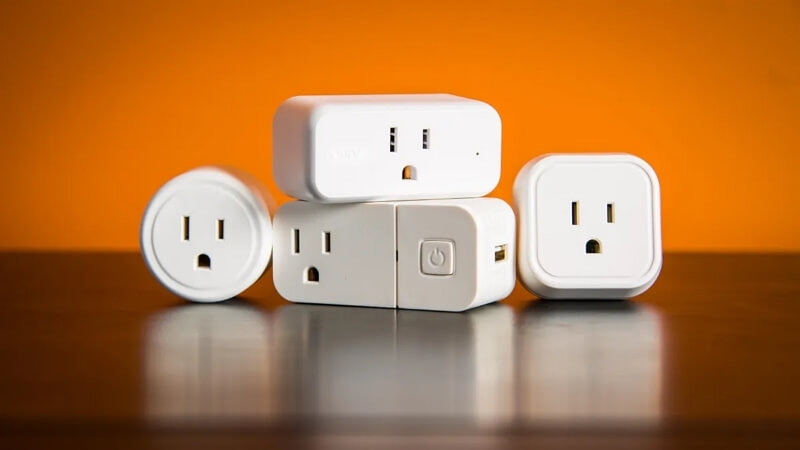
Smart plugs are arguably the most cost-effective and impactful way to kickstart your smart home transformation. These compact adapters, typically priced between $10-$25, possess the remarkable ability to transform any traditional electrical appliance into a "smart" device. Their setup is incredibly straightforward: simply plug them into a standard wall outlet, then connect your desired appliance, be it a lamp, coffee maker, fan, or any device with a simple on/off switch, into the smart plug.
Key benefits of smart plugs include:
- Remote Control:Gain the power to control any plugged-in device from anywhere using a smartphone app, ensuring you never leave lights on or appliances running unintentionally.
- Voice Control Compatibility:Seamlessly integrate with popular voice assistants like Amazon Alexa, Google Assistant, and Apple HomeKit, allowing for hands-free control with simple voice commands.
- Energy Monitoring:Many smart plugs offer built-in energy monitoring features, helping you identify and understand which devices are consuming the most power, thereby empowering you to make more energy-efficient choices.
- Scheduling Capabilities:Automate your life by setting schedules to automatically turn devices on or off, perfect for waking up to freshly brewed coffee or ensuring lights are off after you've gone to bed.
- Combating "Vampire Power":Eliminate the insidious "vampire power" draw, the electricity consumed by devices even when they're seemingly "off" or in standby mode, by completely cutting power to them.
Popular budget-friendly options include Meross smart plugs (often found in 2-packs for under $20) and TP-Link Kasa smart plugs, which often boast future-proof Matter support for enhanced compatibility.
Smart Lighting Solutions
Smart bulbs represent one of the most immediately noticeable and practical smart home upgrades. Building a smart lighting system can be surprisingly affordable, with many white smart bulbs available for under $10 each.
Budget-friendly options for smart bulbs include:
- Wiz Tunable White LED Smart Bulbs:Starting at around $9.97, these bulbs deliver 800 lumens of brightness and offer tunable white colors (from warm 2700K to cool 6500K). Some models even feature built-in motion sensing, adding an extra layer of automation and energy savings.
- TP-Link Kasa Smart Bulbs:Often sold in convenient 4-packs for approximately $26, these provide excellent value for comprehensive lighting upgrades.
- Roku Smart Bulb SE Color:Priced under $10 per bulb, these offer a bright 1,100-lumen output and a spectrum of vibrant colors to set any mood.
For controlling multiple bulbs or fixtures at once, smart switches offer another cost-effective lighting solution. Devices like the Kasa dimmerand on/off switches, typically costing around $20, are compatible with all major smart home systems through their Matter support, simplifying integration.
Voice Assistants And Smart Speakers: The Command Center
A smart speaker serves as the central hub and command center for your smart home ecosystem. These indispensable devices bridge the communication gap between your various smart devices, allowing for intuitive control through simple voice commands.
Affordable smart speaker options include:
- Amazon Echo Dot:Priced around $50, the Echo Dot is an excellent choice for its extensive compatibility with the largest number of smart home devices, making it a versatile foundation for any smart home.
- Google Nest Mini:Also typically under $50, the Nest Mini is an ideal choice for Android users, offering seamless integration with Google services.
- Apple HomePod Mini:While slightly higher at around $100, the HomePod Mini is the perfect choice for users deeply entrenched in the Apple ecosystem, offering superior privacy and integration with Siri and HomeKit.
Motion Sensors And Automation
Motion sensors are vital components for crafting truly automated and responsive smart home experiences. They empower your home to react intelligently to presence, saving energy and enhancing convenience.
Budget-friendly motion sensor options include:
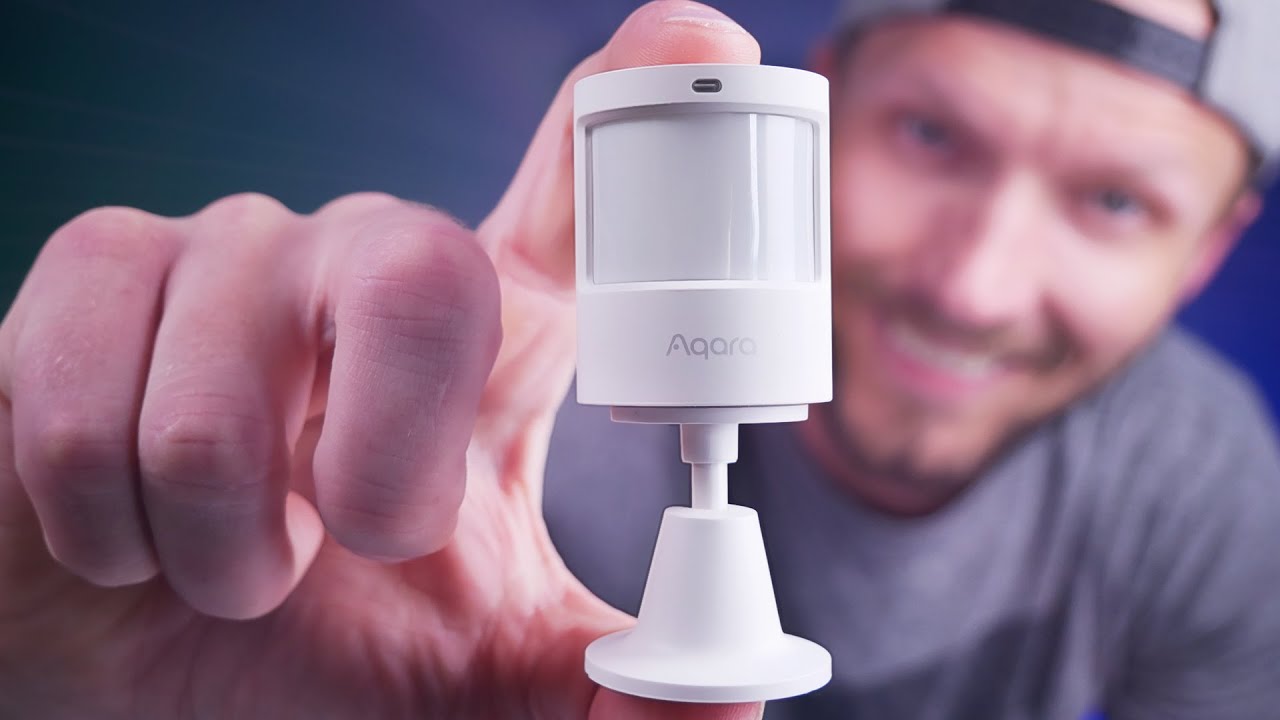
The Aqara P1 Zigbee Motion Sensor!
- Aqara Motion Sensor:Around $20, this compact sensor utilizes Zigbee for reliable connectivity and comes with a convenient stand for easy positioning.
- Third Reality Motion Sensor:Also around $20, this sensor uses easily replaceable AAA batteries (rechargeable ones are highly recommended), offering a slightly larger but more convenient power source.
These sensors enable powerful automations, such as automatically turning lights on when you enter a room, initiating security alerts when unexpected movement is detected, or even triggering a smart fan if it senses you've entered a warm room.
Smart Home Ecosystems: Choosing Your Platform Wisely
The foundation of your smart home lies in selecting the right ecosystem. Each platform offers unique advantages and disadvantages in terms of device compatibility, user experience, and privacy.
Amazon Alexa
Pros:
- Broadest Device Compatibility:Alexa boasts integration with thousands of smart home products from countless manufacturers, offering the widest selection of compatible devices.
- Most Affordable Entry Point:The Echo Dot provides an accessible and budget-friendly starting point for building a smart home.
- Extensive Automation Capabilities:Alexa's routines allow for complex and highly customizable automation scenarios.
- Works Well with Various Manufacturers:Its open nature means it plays nicely with a diverse range of smart devices.
Cons:
- Can Be Clunky to Use:Some users find the Alexa app and voice commands can sometimes feel less intuitive or more verbose compared to competitors.
- Limited Smartphone Integration:While robust, its integration with native smartphone features might not be as seamless as Google or Apple.
- Includes Ads in Exchange for Services:Users may encounter promotional content or ads within the Alexa experience.
Google Home
Pros:
- Most Intelligent Voice Assistant:Google Assistant is renowned for its superior context understanding and natural language processing, leading to more fluid conversations.
- Native Android Integration:Offers seamless integration for Android users, leveraging existing Google accounts and services.
- Good Device Compatibility:Supports a substantial number of smart devices, though slightly fewer than Alexa.
- Excellent for Chaining Commands Together:Its conversational nature allows for more complex multi-step commands.
Cons:
- Privacy Concerns Regarding Data Practices:As with all large tech companies, some users have concerns about Google's data collection and usage.
- Fewer Compatible Devices than Alexa:While extensive, its device ecosystem is not as broad as Amazon's.
- Some Ring Devices Don't Work Fully:Integration with certain Ring security devices can sometimes be limited.
Apple HomeKit
Pros:
- Superior Security and Privacy Protection:HomeKit is built with a strong emphasis on user privacy and data security, making it a preferred choice for privacy-conscious individuals.
- Seamless Integration with Apple Devices:Offers unparalleled integration with iPhones, iPads, Apple Watches, and Macs, providing a cohesive user experience.
- Well-Designed Networking Principles:HomeKit's underlying architecture is robust and designed for reliable smart home networking.
- Works Well with Advanced Hubs for Future Upgrades:Compatible with advanced hubs like the Apple TV or HomePod, enabling more sophisticated automations and future-proofing.
Cons:
- Limited to Apple Ecosystem:Primarily designed for users within the Apple ecosystem, making it less appealing for Android or Windows users.
- Fewer Compatible Devices:The range of HomeKit-certified devices is smaller compared to Alexa and Google Home.
- Higher Cost Barrier:HomeKit-compatible devices tend to be more expensive than their counterparts on other platforms.
DIY Smart Home Projects Under $100
Embracing DIY projects can significantly enhance your smart home without draining your wallet. These projects often leverage affordable sensors and existing devices to create truly innovative automations.
Smart Home Starter Kit Essentials
For beginners aiming for a comprehensive yet affordable setup, consider this under-$100 starter approach:
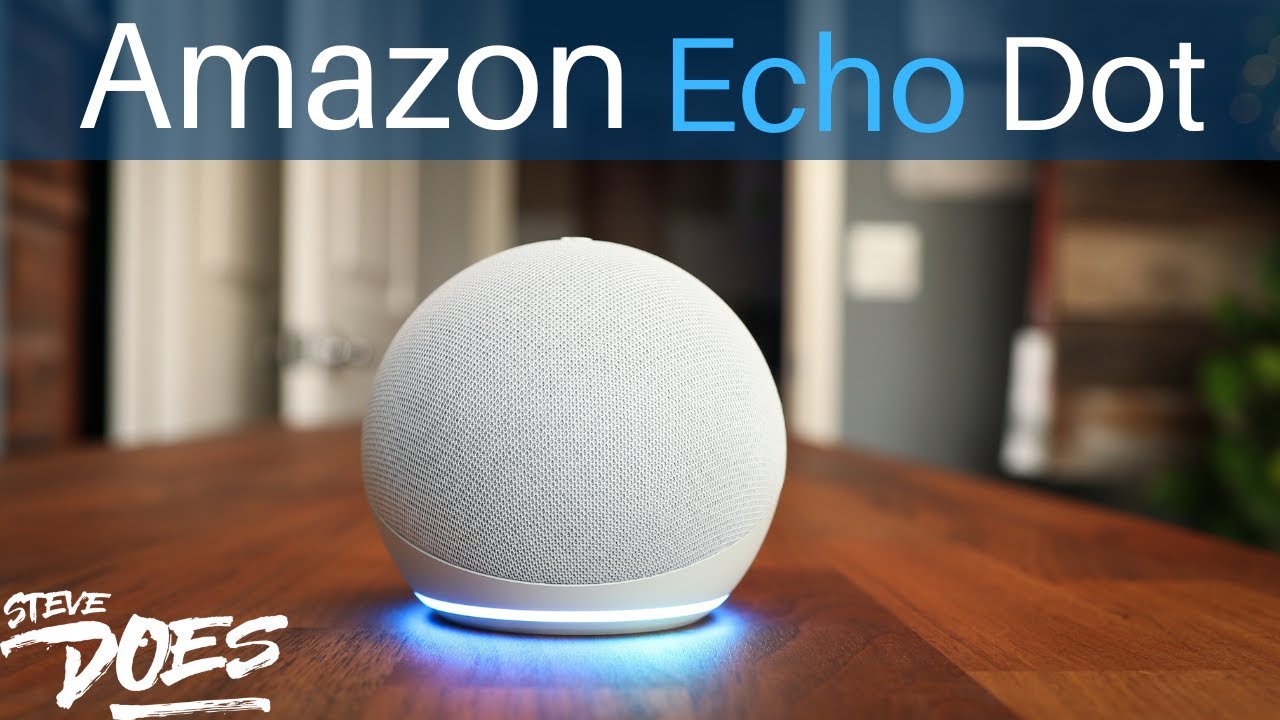
EVERYTHING You Can Do With The Echo Dot
- Amazon Echo Dot ($50):Your central voice control hub, connecting all your devices.
- Smart Plugs (2-pack for $20):Instant automation for lamps, fans, or other appliances.
- Smart Bulb ($10-15):Your first step into automated and customizable lighting.
- Motion Sensor ($20):Enabling trigger-based automations for convenience and energy savings.
Creative DIY Automation Ideas
- Mailbox Notification System:Attach an Aqara vibration sensor (around $20) to your mailbox door. When the mailbox is opened, you'll receive a notification on your smartphone, letting you know the mail has arrived without having to check manually.
- Plant Care Automation:For the green-thumbed individual, create a soil moisture sensor system using inexpensive ESP32 modules and pre-made components. This can automatically water your plants when they're dry or send alerts when they need attention, ensuring your foliage thrives.
- Smart Mirror Dashboard:Repurpose an old PC monitor and a Raspberry Pi (or similar mini-computer) to create a personalized smart mirror. This interactive display can show the current weather, your calendar appointments, traffic updates, and even the status of your smart home devices, all while you get ready for the day.
Practical Smart Home Automation Scenarios: Enhancing Daily Life
Smart home automationtruly shines when it seamlessly integrates into and improves your daily routines.
Daily Routine Automations
Morning Routine (6:00 AM):
- Smart blinds open automatically
- Thermostat increases temperature
- Coffee maker starts brewing
- Lights gradually brighten
- Weather forecast announcement
Leaving Home Routine:
- All lights turn off automatically
- Thermostat adjusts to energy-saving mode
- Security system arms
- Robot vacuum starts cleaning
- Smart plugs turn off standby devices
Evening Welcome Home:
- Porch lights turn on automatically
- Door unlocks via smart lock
- Interior lights activate
- Climate control adjusts to comfort settings
- Security system disarms
Bedtime Routine:
- All lights turn off with single command
- Thermostat switches to night mode
- Security system activates
- Smart plugs cut power to entertainment devices
Security And Safety Automations
- Presence Simulation:When you're away, your smart home can randomly turn lights on and off in different rooms, simulating occupancy and deterring potential intruders.
- Security Integration:Motion sensors can be programmed to trigger specific lights to illuminate an area and simultaneously send smartphone notifications if unexpected movement is detected.
- Emergency Responses:In critical situations, smart smoke detectors can automatically turn on all lights in the house, illuminate exit paths, and unlock smart doors for easy evacuation, ensuring everyone's safety.
Energy-Saving Smart Home Ideas
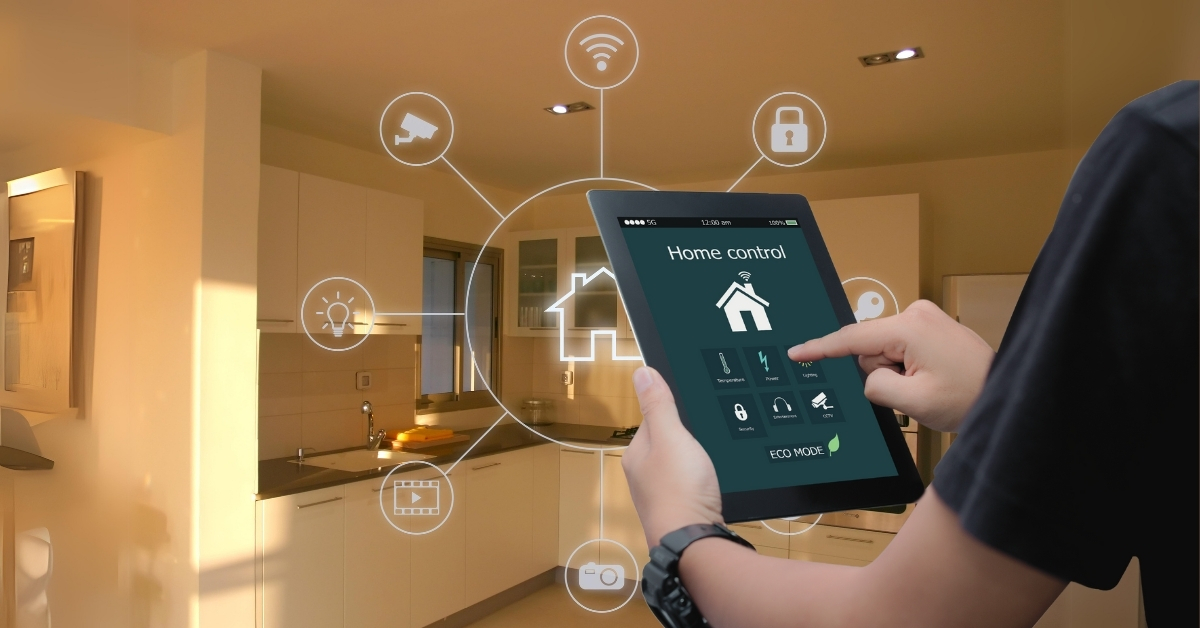
One of the most compelling benefits of smart home technology is its ability to significantly reduce energy consumption, leading to tangible savings on your utility bills.
Automated Energy Management
Smart home devices empower you to manage your energy usage intelligently:
- Smart Thermostats:These devices can save an average of $200-$300 annually on heating and cooling costs by learning your preferences and optimizing temperature settings based on occupancy and schedules.
- Smart Plugs:As mentioned earlier, smart plugs are excellent for eliminating "vampire power" draw by completely cutting power to devices when they are not in active use.
- Motion-Activated Lighting:Ensures lights are only on when a room is occupied, preventing wasted electricity in empty spaces.
- Gaming Console Automation:Automatically turning off gaming consoles when TVs are turned off can save an estimated $200-$300 annually, highlighting the significant impact of seemingly small automations.
Climate Control Optimization
Leverage platforms like IFTTT (If This Then That) or your smart home's native automation features to create advanced climate automations:
- Location-Based Thermostat Activation:Have your thermostat automatically turn on when you leave work, ensuring your home is at a comfortable temperature by the time you arrive.
- Weather-Adjusted Temperatures:Integrate with weather forecasts to make proactive temperature adjustments, anticipating hot or cold spells.
- Automatic Fan Activation:Set rules to automatically activate smart fans when the room temperature exceeds a predefined threshold.
Advanced Automation With IFTTT And Smart Platforms
IFTTT (If This Then That)is a powerful web-based service that connects over 1,000 digital apps and smart home devices, allowing for the creation of incredibly sophisticated and personalized automations.
Popular IFTTT Automations
IFTTT (If This Then That) works with over 1,000 digital apps and smart home devices, enabling sophisticated automations:
Lighting Automations:
- Lights turn on/off based on sunset/sunrise
- Gradual morning wake-up lighting
- Color changes based on social media notifications
Security Automations:
- Camera recording starts when motion detected
- Smart locks engage automatically at set times
- Garage doors close on schedule
Voice Assistant Integration:
- "Hey Google, close the garage door"
- "Alexa, I'm home" triggers welcome routine
- Siri creates reminders or controls devices
Creating Custom Scenarios
Most smart home platforms allow creation of custom scenarios that control multiple devices simultaneously:
Movie Night Mode:
- Dim main lights
- Turn on accent lighting
- Close blinds
- Turn on sound system
- Set temperature to comfort level
Party Mode:
- Activate colorful lighting throughout house
- Turn on music in multiple rooms
- Adjust climate for crowd comfort
- Disable security motion sensors indoors
Budget-Friendly Security Solutions
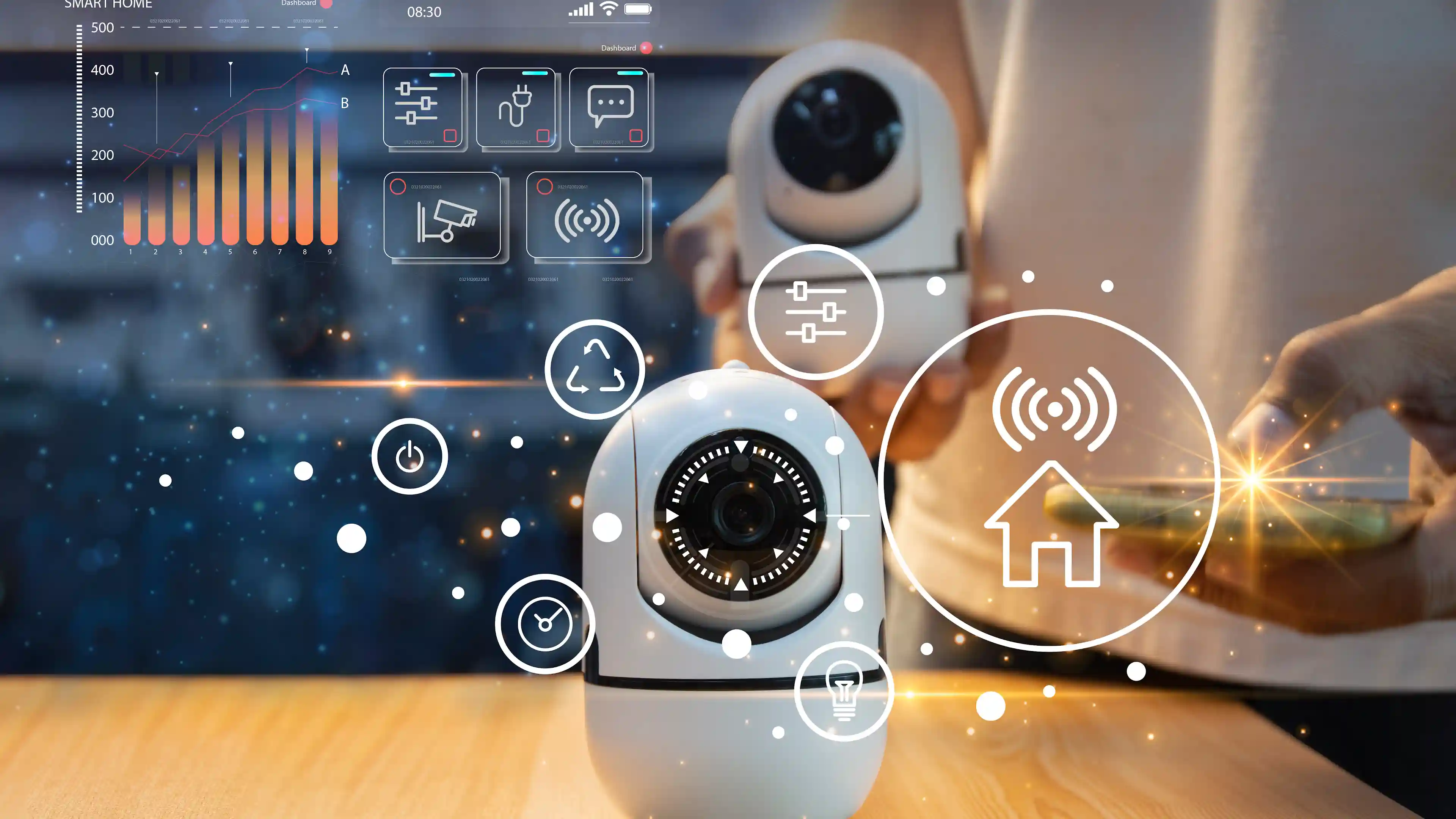
Enhancing your home's security doesn't have to be a costly endeavor. Many effective smart security devices are available at affordable price points.
Essential Security Devices Under $100
- Video Doorbells:While some can be pricey, options like the Reolink Wi-Fi doorbell (around $110) offer 24/7 recording to an SD card with no monthly fees, providing excellent value for front-door monitoring.
- Indoor Cameras:The Tapo C120 (around $25) is a fantastic budget-friendly option, offering 24/7 SD card recording, various alert types, and easy integration with platforms like Home Assistant for local control.
- Smart Locks:While many smart locks exceed this budget, the Aqara U100 (around $142) stands out for its excellent value, offering multiple access methods including fingerprint, code, and app control.
- Door/Window Sensors:Aqara sensors (around $20 each) provide reliable monitoring of entry points with Zigbee connectivity, alerting you if a door or window is opened unexpectedly.
Getting Started: A Step-by-Step Approach
Building your smart home can be a gradual and rewarding process. Here's a suggested phased approach to building an affordable smart home system:
Phase 1: Foundation ($50-$75)
- Choose your smart home platform:Decide whether Amazon Alexa, Google Home, or Apple HomeKit best suits your existing devices and preferences.
- Get a smart speaker/hub:This will be the central brain for voice control and device connectivity.
- Install 2-3 smart plugs:Begin with immediate automation of lamps, fans, or other everyday appliances.
Phase 2: Lighting and Climate ($75-$100)
- Add smart bulbs to key areas:Start with frequently used rooms or lamps to experience the convenience of smart lighting.
- Install motion sensors for automation:Use them to trigger lights in hallways or bathrooms, enhancing convenience and saving energy.
- Consider a smart thermostat:If your budget allows, this is a significant step towards optimizing climate control and energy savings.
Phase 3: Security and Advanced Features ($100+)
- Add door/window sensors:Enhance your home's security by monitoring entry points.
- Install security cameras:Provide visual monitoring of key areas.
- Implement smart locks:Gain keyless entry and remote access control for added convenience and security.
- Create complex automation scenarios:Leverage IFTTT or your chosen platform's native features to build intricate routines that cater to your specific lifestyle.
Tips For Budget-Conscious Smart Home Building
- Start Small and Expand:Don't try to automate your entire home at once. Begin with one or two device types that offer the most immediate finance benefits of smart home technologyand gradually add more as you become familiar with the technology and identify further needs.
- Focus on Compatibility:To avoid frustrating integration issues, choose devices that are explicitly designed to work with your chosen smart home ecosystem (Alexa, Google Home, or HomeKit).
- Look for Multi-Function Devices:Products that offer multiple features in one unit, like the Wiz bulbs with built-in motion sensing, can provide greater value and reduce the number of devices you need to purchase.
- Consider Used or Refurbished:Many smart home devices retain full functionality when purchased second-hand from reputable sellers or certified refurbished programs, offering significant savings.
- Watch for Sales:Smart home devices are frequently discounted, especially during major shopping events like Black Friday, Prime Day, or end-of-year sales. Planning your purchases around these times can lead to substantial savings.
- Prioritize Based on Usage:Focus your initial investments on areas where automation will have the biggest impact on your daily routine or provide the most significant energy savings. For example, if you often forget to turn off lights, smart lighting is a good starting point.
Frequently Asked Questions About Affordable Smart Home Automation
Can I Automate My Home Without A Dedicated Smart Home Hub?
Yes, many affordable smart devices such as smart plugs, bulbs, and cameras can connect directly to your Wi-Fi and be controlled through their respective apps or voice assistants, eliminating the need for a central hub. However, using a hub can make managing multiple devices and automations easier as your system grows.
Will Affordable Smart Home Devices Work During A Power Or Internet Outage?
Most budget-friendly smart devices require both power and an internet connection to function fully. During a power outage, these devices will not operate. Some automations may still work locally if you use a hub that supports local control, but most affordable setups rely on cloud connectivity.
How Secure Are Low-cost Smart Home Devices, And What Steps Can I Take To Protect My Privacy?
While affordable smart home devices can be secure, they may not offer the same level of protection as premium brands. To enhance security, always change default passwords, keep device firmware updated, use strong Wi-Fi passwords, and consider devices from reputable manufacturers with a good track record for security updates.
Can I Integrate Affordable Smart Home Devices From Different Brands Into A Single System?
Yes, many affordable devices support common standards like Alexa, Google Assistant, or Matter, allowing you to mix and match brands. Using platforms like IFTTT or a compatible smart home hub can help unify control and automation across different brands.
What Are Some Hidden Costs To Consider When Building An Affordable Smart Home?
Beyond the initial purchase price, consider potential costs such as subscription fees for cloud storage (for cameras), replacement batteries for sensors, increased Wi-Fi bandwidth needs, and possible upgrades to your router if you add many devices. Planning for these costs helps avoid surprises as your system expands.
Conclusion
Building an affordable smart home is not only entirely achievable with careful planning and astute device choices but also a rewarding endeavor. By beginning with essential devices like smart plugs and bulbs, consciously selecting a compatible ecosystem, and gradually expanding your setup as you uncover new automation possibilities, you can create a truly intelligent and efficient living space. The ultimate key lies in prioritizing practical applications that genuinely improve your daily life, all while adhering to your budget constraints.