25 Smart Home Routines For Productivity And Wellbeing You Can Start Today
How Smart Home Routines Can Transform Daily Life
I’ve always loved the idea of a home that quietly works in the background, adjusting the light when I wake up, making sure the air feels fresh, reminding me to take breaks, and helping me wind down after a long day. Over time, I realized that technology can do much more than save effort they can actually help me stay focused, energized, and balanced when designed with purpose.
This isn’t about fancy gadgets or complicated setups. It’s about creating gentle, automated nudges that make life smoother, more focused, and calmer. Through testing and fine-tuning different smart routines, I’ve found practical ways to use technology to support both work and rest not replace them.
I’ll share 25smart home routines for productivity and wellbeingthat truly make a difference in how I feel, work, and relax every day.
1. Wake Up With Smart Lights And Gentle Music
One of my favorite routines is waking up to soft lighting and gentle music instead of a loud alarm. I’ve set my smart lights to slowly brighten like a sunrise about fifteen minutes before my alarm goes off. It feels natural like waking up to sunlight and it helps me start my day feeling calm instead of startled.
I also linked this to my speaker so light instrumental music starts playing quietly. That mix of warm light and soft sound makes mornings feel smoother and less rushed. I’ve noticed I wake up in a better mood and don’t hit snooze nearly as often.
2. Start The Coffee Maker Automatically
Nothing feels better than walking into the kitchen to find my coffee already brewed. I connected my smart plug to the coffee maker and set it to turn on as soon as my morning lights come on. That way, the smell of fresh coffee greets me as soon as I get out of bed.
This tiny automation saves time and adds a comforting rhythm to my mornings. It’s one less thing to think about, and somehow that small bit of predictability makes the start of my day feel organized and calm.
3. Choose Healthy Breakfast Options

One of my favorite smart home routines for productivity and wellbeing starts in the kitchen. I’ve set my smart coffee maker and toaster to start automatically in the morning, and I prep ingredients for a healthy breakfast the night before. Having oats, fruit, or smoothie ingredients ready makes it easy to eat something nutritious without rushing.
Over time, I’ve noticed that this small routine has a big impact. Starting the day with a healthy breakfast gives me steady energy, keeps my focus sharp, and reduces mid-morning cravings. I like to add things like citrus fruits, berries, and ginger all natural immune boostersto my morning meals. They not only help keep me healthy but also give me a small energy lift, which makes tackling my day’s tasks feel easier and more enjoyable.
4. Voice Assistant To Plan My Day
Every morning, I ask my smart assistant for a quick update weather, calendar, traffic, and top news. It’s like having a little morning briefing while I brush my teeth or make breakfast.
I’ve noticed that hearing everything read out loud helps me stay focused. Instead of scrolling through my phone, I start my day already knowing what’s ahead. It’s efficient and keeps my mornings distraction-free.
5. Exercise And Completing Project Tasks For The Day
I like to set a routine where I finish my main project tasks before the evening. For me, this means breaking big projects into smaller chunks and using my smart home cues like adjusted lighting and focus playlists to stay on track.
After exercising earlier in the day, I feel energized and focused, which makes completing my tasks smoother. I’ve noticed that pairing physical activity with structured work blocks keeps me productive without feeling drained. By the time the evening comes, I can genuinely relax, knowing I’ve accomplished what I set out to do.
6. Focus Lighting Scene
When it’s time to work, my smart lights automatically shift to a cooler white tone. I’ve noticed that this kind of light helps me stay alert and focused, especially during long tasks. It’s almost like working in natural daylight, which keeps my energy steady.
When my focus session ends, the lights dim slightly, it’s my built-in signal to pause and take a break. This small change in lighting helps my brain recognize when it’s time to slow down, keeping my work rhythm balanced throughout the day.
7. Air Quality Monitoring
One of the smartest routines I’ve set up is for air quality. My smart purifier turns on automatically whenever CO₂ or dust levels get high. It keeps the air fresh without me having to think about it.
I’ve realized that you don’t need expensive gadgets to make a difference; even simple affordable smart home automation ideaslike this can have a big impact. Cleaner air makes a huge difference in how alert I feel. When the air is fresh, I think faster, stay focused longer, and don’t feel as tired. It’s one of those “invisible” improvements that really helps productivity.
8. Break Reminder Routine
I’ve built a gentle reminder to help me take breaks before I burn out. Every ninety minutes, my smart lamp changes color and a soft tone plays. That’s my cue to stretch, grab a drink, or just step outside for some air.
At first, I thought this routine was unnecessary, but now I see how much better I feel at the end of the day. Those short breaks reduce eye strain and keep my energy more consistent. It’s like having a quiet assistant reminding me to care for myself while I work.
9. Smart Hydration Reminder

Staying hydrated is something I used to forget easily. Now, a motion sensor near my desk helps me fix that. If I sit still for too long, it triggers my speaker to gently remind me to drink some water.
It sounds simple, but this little automation has really helped. I drink more water, feel more refreshed, and have fewer headaches during the day. Sometimes, the smallest smart habits make the biggest difference in how productive I feel.
10. Say Positive Affirmations
Every morning or before bed, I take a few minutes to say positive affirmations. I’ve set a smart routine that gently plays a calming chime and then speaks reminders like “I am capable of handling today” or “I am proud of my efforts.”
At first, it felt a little strange, but over time, I’ve noticed my mindset shift. The consistent cue helps reinforce confidence and optimism, which makes me approach challenges with more energy and less stress.
11. Take Advantage Of Self-Care
Self-care is often the first thing I skip when life gets busy, but my smart routines make it easier to stick to. I schedule reminders for short breaks, stretching, hydration, and even meditation sessions.
Over time, I’ve noticed that these small, regular habits improve my energy, focus, and mood. Using smart technology to nudge me gently makes self-care feel effortless instead of another task on a long to-do list.
12. Productivity Wrap-Up Routine
Every day at 5:30 p.m., my smart system dims the office lights and plays a soft playlist that signals the end of work. It’s my little ritual to close the day, review what I’ve done, and then step away from my desk.
I’ve found that this helps me avoid working late without realizing it. The simple act of changing lighting and sound gives my brain a clear signal that it’s time to rest. Creating that boundary has made my evenings more peaceful and my work-life balance much healthier.
13. Make Time For A Hobby
I’ve learned that carving out even a small window for a hobby makes a huge difference in my well-being. Whether it’s painting, playing guitar, or cooking something new, having that creative outlet refreshes my mind after a busy day.
Setting a smart routine helps me actually stick to it. For example, my smart speaker reminds me with a gentle chime that it’s hobby time, and my lights shift to a warm, inviting tone. That small cue signals my brain to switch from work mode to enjoyment mode, making the experience more rewarding.
14. Family Connection Alert
Dinner time used to be filled with distractions notifications, emails, random calls. Now, my smart home takes care of that for me. As dinner approaches, all work notifications pause automatically, and my smart speaker gently says, “Dinner’s ready.”
It may sound simple, but it makes a huge difference. That announcement reminds everyone to put devices down and focus on being together. It’s one of my favorite automations because it helps turn mealtime into a real moment of connection instead of just another part of the day.
15. Maintain A Routine
Consistency is key, and I’ve found that keeping a predictable schedule makes all smart routines work better. My body and mind respond to regular times for waking, working, exercising, and winding down.
Even small shifts, like exercising or journaling at roughly the same time each day, create stability. Over time, these consistent habits help me feel in control and less stressed, making all the smart home routines even more effective.
16. Journaling

Every night, I spend a few minutes journaling. I’ve set a gentle reminder through my smart system to cue me. Writing down my thoughts or reviewing the day helps me process experiences and clear my mind before sleep.
This habit has become invaluable it not only reduces mental clutter but also encourages reflection. I’ve noticed that journaling consistently improves focus and emotional balance, and it pairs perfectly with other winding-down routines.
17. Meditation
I’ve integrated short meditation sessions into my day using my smart speaker to play guided tracks or calming sounds. The reminders and gentle cues make it easy to remember, especially on busy days.
Even five minutes of meditation helps me reset my mind, reduce stress, and regain focus. Over time, these small sessions accumulate, improving both my well-being and productivity. It’s incredible how these little nudges create calm habits effortlessly.
18. Calming Scent Diffuser
I’ve connected my essential oil diffuser to a smart plug, so it automatically releases calming scents like lavender or chamomile at night. The gentle aroma makes my bedroom feel like a small sanctuary and signals my body that it’s time to relax.
Even though it’s a tiny automation, it transforms my bedtime routine. I’ve noticed that pairing scent with dimmed lights and soft music helps me fall asleep faster and more peacefully. It’s one of those little touches that makes winding down feel intentional and soothing.
19. Screen-Free Hour Reminder
About an hour before bed, my system dims the living room lights and plays gentle background music. It’s my automatic reminder to put my phone away and read or reflect instead.
At first, I resisted this habit, but now it’s become something I actually look forward to. The combination of softer lighting and quiet sound helps me slow down, letting my mind relax naturally before sleep instead of staring at screens until late.
20. Smart Garden Watering
I have soil sensors in my small indoor garden, and my irrigation system waters the plants automatically when needed. Knowing that my greenery is cared for without me thinking about it is surprisingly satisfying.
This automation not only saves me time but also adds a little joy to my day. Seeing my plants thrive makes me feel connected to life outside work and screens — a small but meaningful boost to my well-being.
21. Implement Good Sleep Hygiene
I’ve learned that creating a sleep-friendly environment makes a huge difference in how rested I feel. My smart routines help with this automatically dimming the lights, lowering the thermostat slightly, and even turning off distracting devices before bed.
Over time, I’ve noticed that following these cues consistently helps me fall asleep faster and wake up feeling refreshed. Good sleep hygiene isn’t just about avoiding screens; it’s about setting up my environment to support my natural sleep cycle. These small automated adjustments make winding down effortless.
22. Avoid The Snooze Button
I used to hit snooze almost every morning, and it always left me feeling groggy. Now, my smart wake-up routine gently wakes me with lights and soft music, so my body is ready to get up without that extra temptation.
I’ve found that avoiding the snooze button improves my alertness and gives me a calmer start to the day. Pairing this with my sunrise lighting and morning coffee routine has completely changed how I feel in the mornings; I actually look forward to getting out of bed.
23. Home Cleaning
I’ve set up my smart home so that cleaning happens almost automatically. My robot vacuum runs on a schedule, and some smart appliances like washing machines or dishwashers can start at specific times.
It feels amazing to come home to a tidy space without having to think about it. This routine saves me time and mental energy, and I’ve noticed that a cleaner home makes me feel calmer and more focused throughout the day. Little automations like this make everyday life feel effortless.
24. Smart Security
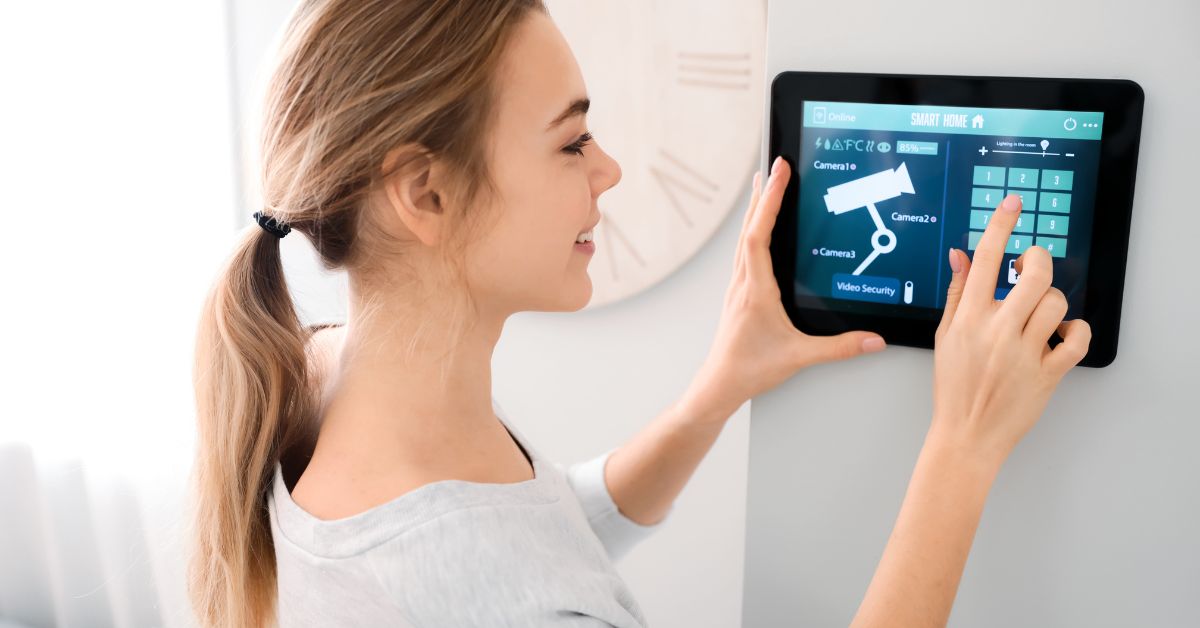
Knowing my home is safe gives me peace of mind, and smart security routines help with that. I’ve set cameras, door sensors, and motion detectors to alert me only when necessary, and lights turn on automatically if anything unusual happens.
I’ve also researched the top webcams for smart home surveillanceto make sure I’m using reliable devices that capture clear footage and send timely alerts. This setup allows me to feel secure without constantly checking my phone or worrying. I can focus on work, hobbies, or relaxation, knowing my home is protected. It’s one of the smartest ways technology has improved my well-being reducing stress and giving me a real sense of safety.
25. Gratitude Routine
On Sunday nights, my smart speaker plays soft music and reminds me to write down three things I’m grateful for from the week. Over time, this practice has helped me focus on the positive, even after challenging days.
I’ve noticed that ending the week with this small reflection boosts my mood and mental balance. It’s simple, but cultivating gratitude regularly changes how I approach the week ahead calmer, happier, and more centered.
People Also Ask
Can I Use These Routines With Different Smart Home Platforms?
Yes! I’ve tried Google Home, Alexa, and HomeKit. Most devices can perform similar actions, so focus on the function, like dimming lights at bedtime, rather than the brand.
How Long Should A Morning Routine Be?
30 to 90 minutesA reasonable amount of time for a good morning routine can last anywhere from 30 to 90 minutes. It depends on what works for you. Let's say you have children, or your day starts earlier than the average person; you might only have 15 minutes.
What If I Don’t Have Every Smart Device Mentioned In A Routine?
No problem. I started with just a few devices. You can replace some with manual actions for example, lighting a candle instead of a diffuser. It’s the habit and timing that matter most.
How Do I Make Sure My Routines Don’t Interfere With One Another?
I schedule routines carefully work-focused during the day, relaxation at night. Testing each routine for a few days helps ensure everything flows smoothly without overlap.
Can Smart Home Routines Help Reduce Stress?
Absolutely. Little automations like wind-down lighting, calming scents, and scheduled breaks give my day a natural flow. I don’t have to force myself to remember everything the routines handle it.
Final Thoughts
Using smart home routines has completely transformed how I manage my day. From waking up with gentle light and music to ending the evening with calming scents and reflection, every small automation adds up.
I feel more focused, less stressed, and genuinely more present in both work and personal life. If you set up your routines thoughtfully, technology can become a powerful ally helping you stay productive, unwind peacefully, and create a balanced life effortlessly.